

Why Old Cables Become Brittle – The Science of Aging
2026-05-29 16:29Have you ever tried to bend an old electrical cord, only to hear a crack and see the insulation flake off? Or pulled a decades‑old wire from a wall and found its plastic coating hard and crumbly? That is brittleness – a sign that the cable has aged. New cables are flexible and tough. Old ones become stiff, cracked, and dangerous. But why does this happen? The answer lies in chemistry, physics, and environmental attack. This article explores the science behind cable aging and what you can do about it.
1. The Enemy Within: Polymer Degradation
Most cable insulation and jackets are made of polymers – long chains of repeating molecules (like PVC, polyethylene, or rubber). These chains give the material its flexibility and strength. Over time, various forces break these chains into shorter fragments. Short chains cannot slide past each other easily; the material becomes brittle. This process is called polymer degradation.
Degradation happens through several mechanisms, often working together.
2. Heat: The Silent Accelerator
Heat is the most common cause of aging. Cables warm up when they carry current. Every 10°C increase in temperature roughly doubles the rate of chemical reactions, including degradation. Even within normal operating limits (e.g., 70°C for PVC), years of heat slowly break polymer bonds.
If a cable is overloaded or poorly ventilated, it runs even hotter. The insulation may thermally oxidize – react with oxygen – creating brittle, chalky material. In extreme cases, the plastic melts, but more often it just hardens and cracks.
Example: An old toaster cord, repeatedly heated and cooled, becomes stiff and may crack where it bends.
3. Oxidation: Breathing Your Cable to Death
Oxygen is everywhere, including inside cable insulation (diffusing through the polymer). Oxygen reacts with polymer chains in a process called oxidation. It is like very slow burning. Oxidation creates free radicals – highly reactive molecules that attack neighbouring chains, causing more breaks.
Oxidation is accelerated by:
Heat (thermal oxidation)
Light (photo‑oxidation)
Certain chemicals (e.g., ozone)
The result: the polymer’s molecular weight drops, and the material becomes brittle. You may see a powdery surface or tiny cracks.
4. UV Radiation: The Sun’s Attack
Sunlight contains ultraviolet (UV) radiation. UV photons have enough energy to directly break polymer bonds. This is photo‑degradation. Cables installed outdoors (or near windows) suffer the most. PVC, polyethylene, and rubber all degrade under UV unless protected.
Signs of UV damage: Chalking (white powder), colour fading, surface cracks, and loss of flexibility.
Many outdoor cables contain carbon black or UV stabilizers to absorb harmful radiation. But these additives can leach out over decades, eventually leaving the polymer vulnerable.
5. Moisture and Hydrolysis
Water is not just a conductor; it can chemically attack certain polymers. Hydrolysis is the breaking of polymer chains by water molecules, especially at high temperatures. Some materials (polyesters, polyurethanes) are more susceptible than PVC or polyethylene, but even those can degrade in wet, hot environments over many years.
Moisture also promotes corrosion of metallic conductors and shields, which creates heat and accelerates insulation damage.
6. Chemical Attack: The Silent Eater
Cables in industrial or polluted environments may be exposed to:
Ozone (from electric motors, welders, or UV light)
Solvents (oils, fuels, cleaning agents)
Acids or alkalis (from factory emissions or soil)
Ozone is particularly aggressive to many rubbers (e.g., EPDM is resistant, but natural rubber is not). It causes crazing – tiny surface cracks that grow under stress.
7. Plasticizer Migration (For PVC)
PVC (polyvinyl chloride) is naturally rigid. To make it flexible, manufacturers add plasticizers – small molecules that wedge between polymer chains, allowing them to slide. Over time, plasticizers can migrate to the surface and evaporate, or be leached out by water or oil.
When plasticizer loss exceeds ~30%, the PVC becomes hard and brittle. This is why old PVC power cords (like those on vintage appliances) often crack when bent.
Other polymers (XLPE, silicone, EPDM) do not rely on plasticizers; they are flexible by chemical design. That is why they often age better than PVC.
8. Mechanical Stress and Fatigue
Even if the material is chemically sound, repeated bending, vibration, or flexing can cause mechanical fatigue. Cracks start at stress concentrations (nicks, sharp bends) and grow over time. In a brittle aged cable, even a single flex can cause complete fracture.
Example: A door hinge pinches a cable every time the door closes. After years, the insulation cracks and the conductors may break.
9. How Long Do Cables Last?
Lifespan varies wildly depending on material, environment, and usage:
| Cable type / environment | Typical brittle‑free life |
|---|---|
| Indoor PVC wire (dry, cool) | 20–40 years |
| Indoor XLPE (dry, cool) | 40–50+ years |
| Outdoor PVC (sun exposure) | 10–20 years |
| Outdoor silicone or EPDM | 25–40 years |
| Under bonnet (automotive) | 5–15 years |
| Industrial, hot, or chemical area | 5–20 years |
These are estimates. Many cables fail earlier; some survive longer. The key is regular inspection.
10. What You Can Do
Choose the right cable – For hot areas, use silicone or XLPE. For outdoor UV, use cable with carbon black or a UV‑rated jacket. For wet or chemical‑exposed locations, use specialised compounds.
Avoid overloading – Keep current within cable ampacity to minimise heat aging.
Protect from sunlight – Use conduit, trunking, or UV‑blocking wraps for outdoor cables.
Inspect regularly – Look for cracking, stiffness, chalking, or discolouration. If a cable feels hard or shows cracks, replace it.
Replace old wiring – If your home or facility has wiring over 40–50 years old, consider a professional inspection. Brittle insulation is a fire hazard.
Old cables become brittle because their polymer chains break – through heat, oxidation, UV, chemical attack, or loss of plasticizers. This aging is natural, but it can be accelerated by harsh conditions or overloads. Understanding the science helps you choose longer‑lasting cables, protect them from environmental enemies, and know when it is time to replace them. A flexible cable is a happy cable – and a safe one.
>>>>>>>Ruiyang Group's competitive product range includes:
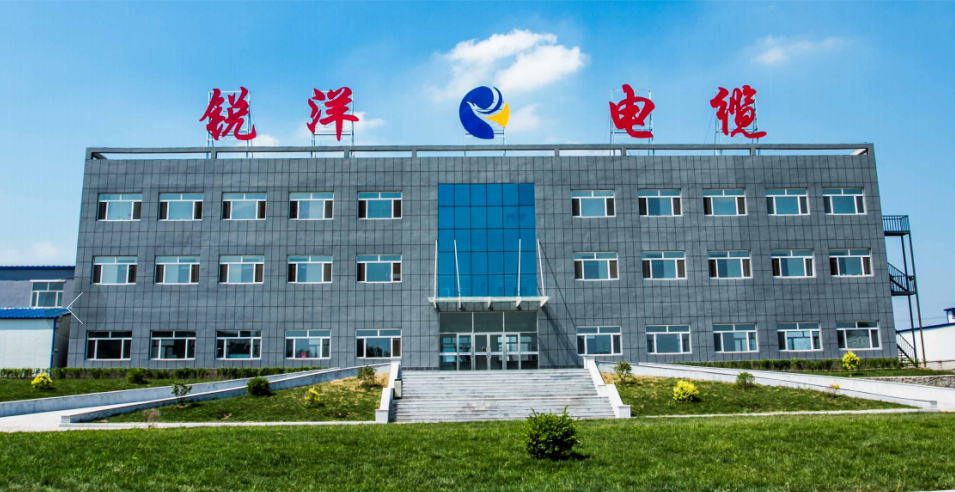
Ruiyang Group is a diversified industrial group focusing on wires and cables, power equipment, electrical installation, and electrical materials, while also engaged in organic agriculture. Ruiyang specializes in the R&D, design, construction, and operation services of power solutions for new energy fields such as wind, solar, nuclear, and energy storage. Its main products cover 30 categories, including power cables up to 220kV, mining cables, computer cables, control cables, fire-resistant cables, photovoltaic cables, special cables, and cable accessories, with tens of thousands of specifications.
LV and HV XLPE insulated power cable
PVC insulated power cable
Low-smoke, low halogen flame retardant cable
Fire-resistant cable
Aluminum alloy cable
Flexible cabtyre cable
Overhead cable
Control cable
Silicone rubber cable