


Recycling Cables: What Happens When They Retire
2026-06-11 16:53Every year, millions of kilometres of electrical cables reach the end of their useful life. They are replaced during upgrades, pulled out of demolished buildings, or retired after decades of service. But what happens to these old cables? Do they simply end up in a landfill? Fortunately, most cables are highly recyclable. Their main components – copper or aluminium, various plastics, and sometimes steel armour – can be recovered, processed, and turned into new products. This article follows the journey of a retired cable through the recycling process and explains why cable recycling is essential for both the economy and the environment.
1. Why Recycle Cables?
There are three compelling reasons to recycle cables:
Resource conservation – Copper and aluminium are finite resources. Mining new ore consumes huge amounts of energy and damages landscapes. Recycling uses up to 85% less energy than primary production.
Economic value – Copper is valuable (currently several thousand dollars per tonne). Recovering it from scrap cables is profitable and supports local recycling industries.
Waste reduction – Landfilling cables wastes materials and can leach heavy metals or plastic additives into soil and water.
For these reasons, cable recycling is a mature, widespread industry.
2. The First Step: Collection and Sorting
Cables come from many sources: construction and demolition sites, utility upgrades, manufacturing scrap, end‑of‑life vehicles, and household e‑waste. They arrive at recycling facilities in mixed loads – different lengths, thicknesses, colours, and material compositions.
Workers or automated systems sort cables by:
Conductor type – copper vs. aluminium (aluminium is lighter, less valuable).
Insulation material – PVC, polyethylene, rubber, etc. (some are easier to separate than others).
Armour or shielding – steel‑armoured cables need different processing.
Improper sorting reduces efficiency and the purity of recovered materials.
3. Stripping: Removing the Outer Jacket
For large, thick cables (e.g., service entrance cables), the first mechanical step is often stripping. A machine with rotating blades slits the outer jacket lengthwise, peeling it away from the conductor. The jacket plastic is collected as a separate stream; the bare conductor goes to a granulator.
Stripping works well for cables larger than about 10 mm in diameter. For thin wires (like household wiring), stripping is impractical – they go straight to granulation.
4. Granulation: Shredding into Small Pieces
Most cable recycling today uses granulation (also called chopping). Cables are fed into a high‑speed granulator that shreds them into small chips (typically 5–20 mm). The output is a mixture of:
Copper or aluminium granules (dense, metallic)
Plastic granules (lighter, non‑metallic)
Fine dust (from insulation and dirt)
Granulation liberates the metal from the plastic without having to remove the jacket first.
5. Separation: Using Density and Conductivity
The mixed granulate is then separated into metal and plastic fractions. Several technologies are used:
Air separation (aspiration) – A stream of air blows the lighter plastic particles away from the heavier metal granules. This works well for coarse separation.
Water separation (sink‑float) – Copper and aluminium sink; most plastics float. Water tables or centrifuges achieve high purity.
Electrostatic separation – Charged plates attract metal particles differently from plastic, achieving very pure metal fractions (99.9%+).
Eddy current separation – For non‑ferrous metals (copper, aluminium), a rotating magnetic field induces eddy currents, ejecting metal particles from the plastic stream.
Modern recycling lines combine these methods to produce clean copper or aluminium chips ready for smelting.
6. Processing the Plastic Fraction
The separated plastic fraction (mainly PVC, polyethylene, or polypropylene) is not waste. It can be:
Sold to plastic recyclers – Who clean, extrude, and pelletise it into recycled plastic granules. These are used for non‑critical products like cable trays, garden hoses, or traffic cones.
Used as fuel – In cement kilns or waste‑to‑energy plants. The high calorific value of plastics makes them a good energy source (though burning releases CO₂ and potentially harmful gases if not scrubbed).
Downcycled – Into lower‑grade products like carpet backing or industrial mats.
However, due to contamination (residual metals, flame retardants), not all cable plastic can be recycled into high‑quality products. Improving plastic recycling is a current challenge.
7. Smelting: Turning Chips into Pure Metal
The recovered copper or aluminium chips are sent to a smelter. There, they are melted and refined to remove any remaining impurities (e.g., oxygen, oxides, or trace metals). The molten metal is cast into:
Copper cathodes (for electrical wire manufacturing)
Copper rod (directly drawn into wire)
Aluminium ingots (for rolling or extrusion)
Recycled copper retains the same electrical conductivity as newly mined copper – it can be used in any application, including high‑voltage power cables.
8. Challenges and Limitations
Cable recycling is not perfect. Some problems include:
Mixed plastics – Different insulation types (PVC, XLPE, rubber) cannot be easily separated; the mixed plastic stream has low value.
Halogenated materials – PVC contains chlorine; burning it releases hydrogen chloride gas, requiring specialised pollution control. Some recyclers avoid PVC cables.
Small or complex cables – Very fine wires (e.g., headphone cables) or cables with multiple thin coatings are hard to process economically.
Fibre optic cables – Contain glass and Kevlar; these require different recycling methods (glass can be ground into aggregate; Kevlar is incinerated or downcycled).
Cost vs. landfill – In regions with cheap landfill, illegal dumping of cables may occur despite metal value.
Better design for recycling (e.g., using compatible plastics, labelling materials) could improve recovery rates.
9. Environmental Benefits
Recycling one tonne of copper cables saves:
~85% of the energy needed to mine and refine new copper.
~2 tonnes of CO₂ emissions.
~100 tonnes of ore that would otherwise be mined.
Recycling aluminium saves even more energy (95%). Diverting cables from landfill also reduces leaching of heavy metals and plastic additives into groundwater.
10. What You Can Do
Do not throw cables in the trash – Take them to an e‑waste recycler, scrap metal yard, or municipal recycling centre.
Separate by type – If possible, sort copper and aluminium cables; some recyclers pay more for clean, stripped copper.
Look for certified recyclers – Choose recyclers who follow environmental and safety standards (e.g., R2, e‑Stewards).
Even old, worn‑out cables have value. Recycling them closes the material loop, reduces mining, and saves energy.
When a cable retires, its life is far from over. Through collection, granulation, separation, and smelting, its copper or aluminium begins a new journey as a raw material for fresh products. The plastic jacket may become a traffic cone or fuel. Recycling cables is not only economically sensible but essential for a sustainable future. Next time you hold a scrap wire, remember: inside that tangle of plastic and metal is a resource waiting to be reborn.
>>>>>>>Ruiyang Group's competitive product range includes:
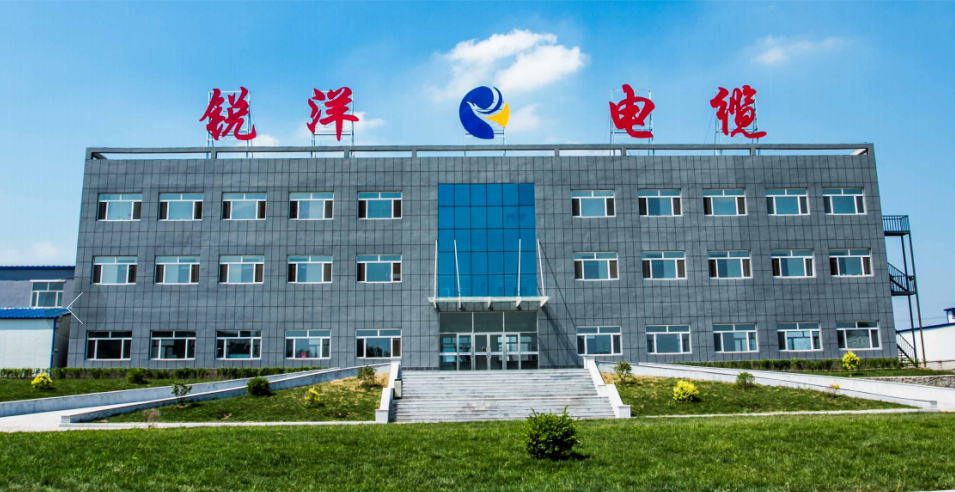
Ruiyang Group is a diversified industrial group focusing on wires and cables, power equipment, electrical installation, and electrical materials, while also engaged in organic agriculture. Ruiyang specializes in the R&D, design, construction, and operation services of power solutions for new energy fields such as wind, solar, nuclear, and energy storage. Its main products cover 30 categories, including power cables up to 220kV, mining cables, computer cables, control cables, fire-resistant cables, photovoltaic cables, special cables, and cable accessories, with tens of thousands of specifications.
LV and HV XLPE insulated power cable
PVC insulated power cable
Low-smoke, low halogen flame retardant cable
Fire-resistant cable
Aluminum alloy cable
Flexible cabtyre cable
Overhead cable
Control cable
Silicone rubber cable