


The Craftsmanship of Metal Components: Plating, Alloys, and Corrosion Defense
2026-02-05 14:29Within every robust cable accessory—from a simple connector to a complex joint body—lies a hidden world of metallic craftsmanship. The performance and decades-long reliability of these components hinge not just on their bulk material, but on the meticulous engineering of their surfaces and internal structure. This involves a strategic trifecta of technologies: protective platings, specialized alloys, and integrated corrosion design, working in concert to ensure electrical integrity, mechanical strength, and enduring resistance to the elements.
The Shield of Sophistication: The Role of Protective Platings
Metallic plating is far more than cosmetic; it is a critical, engineered barrier that tailors the surface properties of base metals to their mission.
Function 1: Corrosion Resistance & Environmental Seal: A thin, dense layer of a more inert metal (like tin, silver, or nickel) isolates the core conductor (often copper or aluminum) from moisture, oxygen, and corrosive agents. This prevents the formation of non-conductive oxides that increase contact resistance and generate heat.
Function 2: Enhancing Electrical Contact: Platings like silver offer superior conductivity and low contact resistance, vital for bolted connections and sliding contacts. Tin plating provides excellent solderability and prevents fretting corrosion at interfaces.
Function 3: The Galvanic Guardian: In mixed-metal systems (e.g., aluminum conductor with a copper lug), a carefully chosen plating acts as a sacrificial or barrier layer. For instance, a bi-layer of tin plating can prevent direct aluminum-copper contact, averting galvanic corrosion that could quickly compromise the joint.
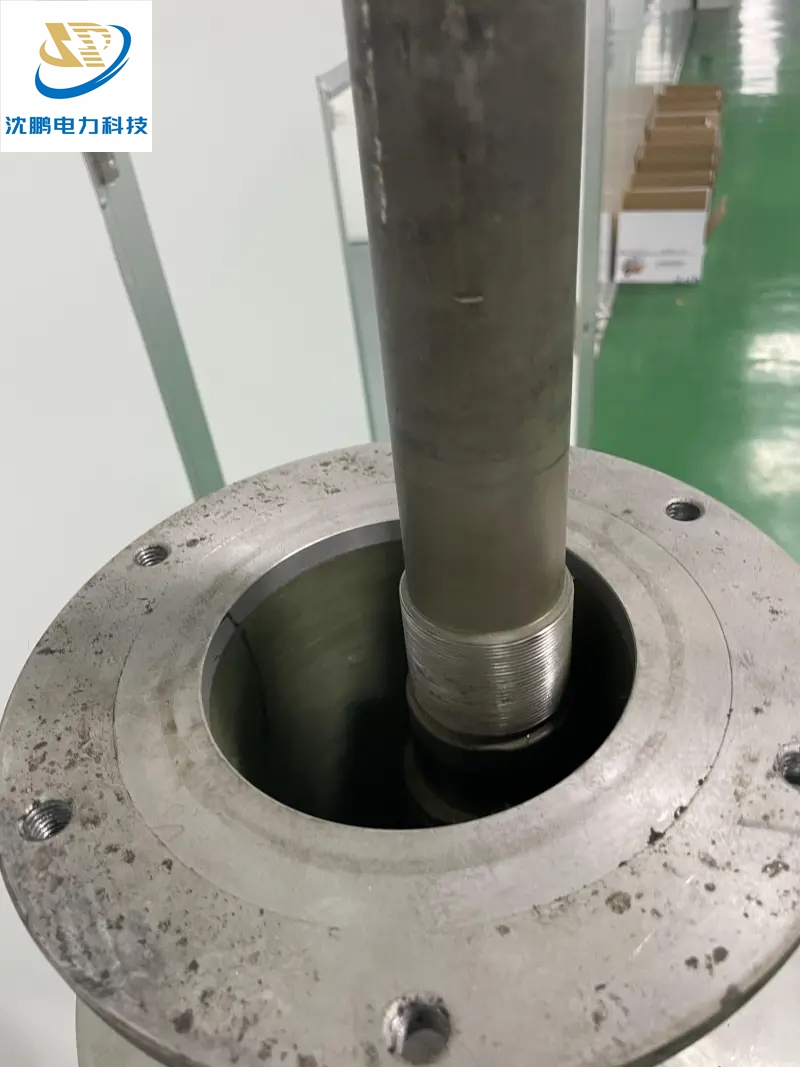
The Core of Performance: Strategic Alloy Design
The choice of base metal is just the beginning. Alloying—mixing a primary metal with other elements—creates materials with optimized, balanced properties for specific roles.
Strength vs. Conductivity: Pure copper is highly conductive but relatively soft. Adding small amounts of beryllium (Be) or chromium (Cr) creates precipitation-hardened alloys (like CuCrZr) with dramatically increased strength and thermal stability for high-stress parts like contact springs or busbars, with only a minor sacrifice in conductivity.
Machinability and Formability: Free-machining brasses (copper-zinc with lead or bismuth) are engineered to produce clean, precise parts efficiently. Aluminum alloys (e.g., 6000 series) offer a superb blend of strength, lightweight, and corrosion resistance for housings and structural components.
Specialized Functions: Shape-memory alloys might be used in temperature-sensitive actuators; high-nickel alloys are selected for parts requiring exceptional corrosion resistance in extreme environments.
The Systems Approach: Integrated Anti-Corrosion Design
True corrosion defense extends beyond selecting a single material or plating. It is a holistic philosophy applied to the entire component assembly.
Geometry Matters: Designs avoid crevices and pockets that trap moisture. Smooth, rounded edges on conductive parts reduce electrical field concentration, which can accelerate electrochemical degradation.
Sacrificial Strategies: Galvanization (zinc coating) on steel hardware protects through a "sacrificial" mechanism: the zinc corrodes preferentially, shielding the underlying steel. This is a classic and robust defense for bolts, brackets, and enclosures.
Sealed Systems: The ultimate defense involves encapsulation. Critical metal interfaces are permanently embedded within moisture-proof, air-tight seals using rubber gaskets, heat-shrink seals filled with waterproof mastic, or resin compounds. This isolates the metal from the external environment entirely.
Synergy for Longevity
The reliability of a metal component in a demanding application is the result of layered, synergistic craftsmanship. It begins with a strategically chosen alloy for the core mechanical and electrical duties. This is enhanced by a precisely applied plating, fine-tuned for conductivity, solderability, and surface protection. Finally, the overall system design integrates physical geometry, sacrificial elements, and environmental seals to defend against corrosion. This multi-faceted approach transforms a simple piece of metal into a durable, high-performance, and intelligent component—one engineered not just to function, but to endure for the long term. It is this unseen metallurgical "craftsmanship" that quietly underpins the safety and reliability of our connected world.
>>>>>>>>>>Ruiyang Group's Cable Accessories<<<<<<<<<<<
Integral Prefabricated (Dry) Cable Termination
35kV Cold Shrink Intermediate Joint
10kV Cold Shrink Intermediate Joint
Heat-Shrinkable Cable Accessories
Dry Type GIS (Plug-in) Termination